PAGEEngineering

Engineering

Good engineering makes the work understandable.

ENGINEERING

Good engineering makes the work understandable.

Software can work today and still become difficult to change tomorrow. Important decisions can disappear into the code. Testing can become an afterthought. Security can be treated as something to add when the product is almost finished.

A disciplined engineering process addresses those concerns throughout the work. Requirements establish what needs to be accomplished. Architecture gives the solution structure. Verification provides evidence that expected behavior still works.

The purpose is not to make every project complicated. It is to apply enough engineering discipline for the work being done.

WHY IT MATTERS

Structure should support the work.

Engineering practices have value when they help produce a better result. A requirement can prevent a misunderstood need from becoming the wrong feature. An architecture decision can keep one part of a system from creating problems somewhere else.

Testing can expose defects before they reach the people using the product. Security practices can reduce avoidable risk. Documentation can preserve decisions that would otherwise have to be rediscovered.

Each practice should earn its place in the project.

THE LIFECYCLE

Understand. Design. Build. Verify. Deliver. Improve.

The work moves through a connected engineering lifecycle. The stages create structure without pretending that development always moves in a perfect line.

01 / UNDERSTAND

Define the problem and what a useful result needs to accomplish. Identify the people affected by the solution and the constraints that shape it.

02 / DESIGN

Turn the understood need into a technical direction. Define the architecture and important system relationships before implementation makes those decisions harder to change.

03 / BUILD

Implement the solution in controlled increments. Keep the work connected to the requirements and design decisions that gave it direction.

04 / VERIFY

Test the behavior and qualities that matter to the product. Findings return to the work when something needs correction.

05 / DELIVER

Prepare a verified result for its intended environment. Delivery should preserve the controls and evidence established during development.

06 / IMPROVE

Learn from the finished work and the problems encountered while building it. Use that knowledge to strengthen the product and the process behind the next piece of work.

ENGINEERING EVIDENCE

Know why the system became what it is.

A finished application shows what was built. Engineering evidence helps explain why it was built that way.

Requirements can connect features to defined needs. Architecture records important structural decisions. Test results provide evidence about expected behavior. Security findings can show where risk was considered and addressed.

That evidence also makes future work easier to understand. A developer should not have to reconstruct every important decision from the source code alone.

> NEED → REQUIREMENT → DECISION → IMPLEMENTATION → VERIFICATION

Engineering Approach --- Give the work a structure.

See how understanding and design connect to implementation. Follow the lifecycle through verification and delivery.

Secure Development --- Consider security while decisions can still change.

Security is stronger when it influences design and implementation. Waiting until the end limits the problems that can be addressed efficiently.

Quality & Testing --- Replace assumption with evidence.

Testing checks whether expected behavior survives implementation and change. Quality practices also examine the characteristics that make software dependable.

AI-Assisted Engineering --- Use AI as a tool. Keep engineering accountable.

AI can accelerate parts of analysis and implementation. Human decisions and defined authority still determine what the system is allowed to change.

BEHIND THE WORK

A system for engineering the system.

Broken Pickaxe is developing a reusable engineering framework behind its projects. The Framework brings requirements and architecture into a connected working system. It also incorporates security, quality, documentation, and controlled delivery.

Standards and procedures make useful practices repeatable. Templates give recurring engineering work a consistent structure. Automation can handle mechanical checks while important decisions remain under explicit authority.

The Framework continues to evolve through real implementation. BrokenPickaxe.com is one of the projects being used to exercise and improve it.

CONTROLLED AUTOMATION

Automate the mechanical. Keep judgment deliberate.

Automation is useful when the expected work and its boundaries are clear. Tests can run automatically. Known defects can be checked again. Routine implementation can continue inside an approved scope.

A meaningful decision deserves a different treatment. Unexpected conditions should stop the automated path when they exceed its authority.

This allows repetitive work to move faster without giving up the controls that protect consequential decisions.

> DEFINED WORK → AUTHORIZED AUTOMATION → VALIDATE → PASS → CONTINUE, with UNEXPECTED / CONSEQUENTIAL → STOP → HUMAN DECISION.

Build it so the next decision has something to stand on.

Good engineering leaves more than working code. It leaves enough structure and evidence to understand what was built and continue the work with confidence.

Explore the Engineering Approach

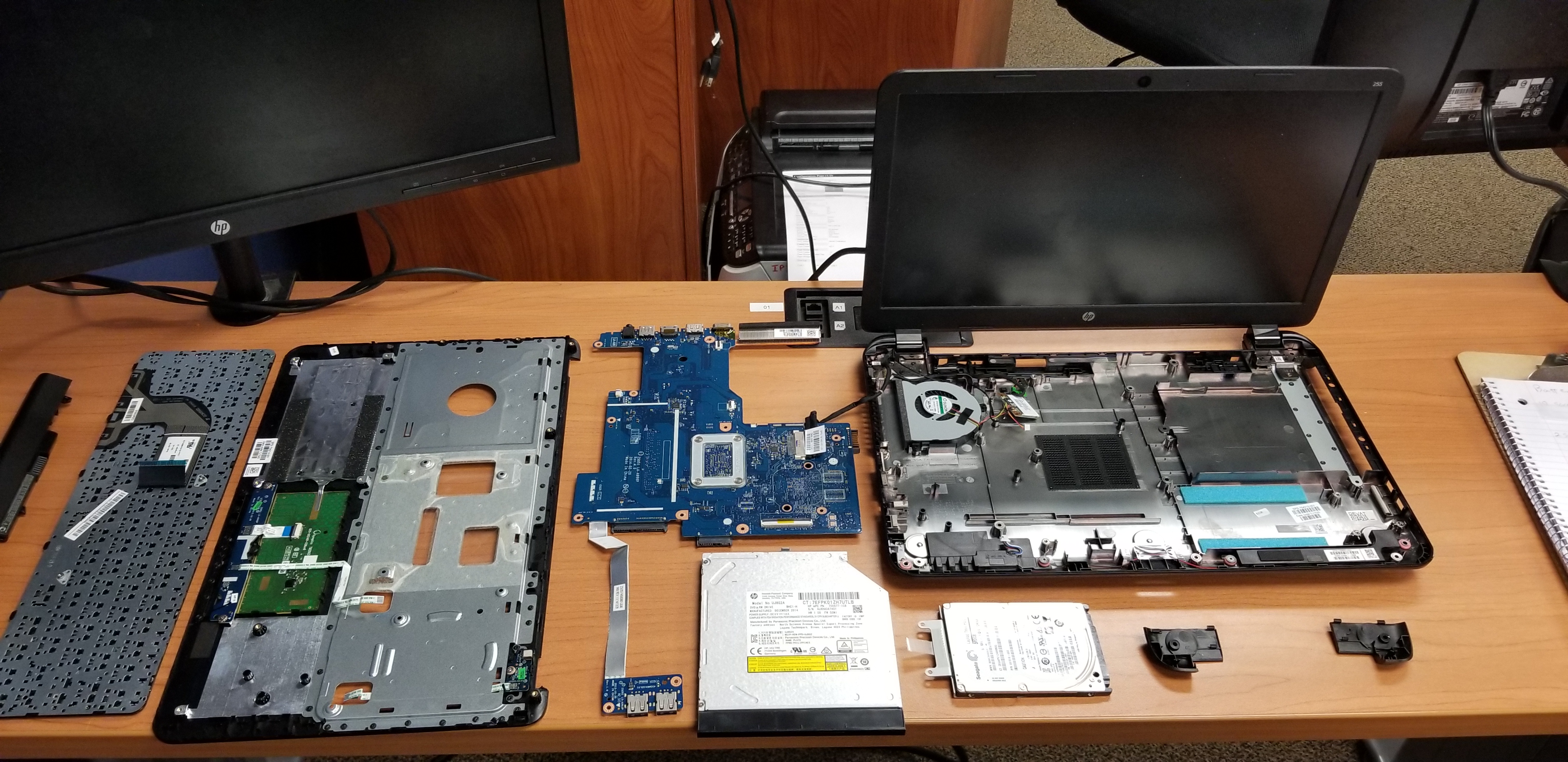
Disassembled laptop components arranged to show their system relationships.

S-01The Lifecycle

Understand. Design. Build. Verify. Deliver. Improve.

One connected flow

The work moves through a connected engineering lifecycle. The stages create structure without pretending that development always moves in a perfect line.

Not strictly linear

  1. Stage 1

    Understand

    Define the problem and what a useful result needs to accomplish. Identify the people affected by the solution and the constraints that shape it.

  2. Stage 2

    Design

    Turn the understood need into a technical direction. Define the architecture and important system relationships before implementation makes those decisions harder to change.

  3. Stage 3

    Build

    Implement the solution in controlled increments. Keep the work connected to the requirements and design decisions that gave it direction.

  4. Stage 4

    Verify

    Test the behavior and qualities that matter to the product. Findings return to the work when something needs correction.

  5. Stage 5

    Deliver

    Prepare a verified result for its intended environment. Delivery should preserve the controls and evidence established during development.

  6. Stage 6

    Improve

    Learn from the finished work and the problems encountered while building it. Use that knowledge to strengthen the product and the process behind the next piece of work.

Learning informs future understanding